Guided Stack Planning (Concept)
Exploring how AI could plan, assemble, and reason about application architectures — two years before agentic workflows became industry standard
AI-Guided Stack Planning was a forward-looking design exploration that anticipated a major industry shift toward agentic, multi-step AI workflows well before they were widely available. Nearly two years before today’s AI development agents emerged, this concept demonstrated how AI could understand requirements, reason over organizational context, and generate architecture recommendations that developers could refine collaboratively.
The prototype was created to validate desirability, explore feasibility, and shape long-term strategy — and many of its core ideas have since become foundational to modern AI-driven developer experiences.
My Role
I led this project end-to-end as the sole designer, defining the vision, exploring user needs, prototyping in Figma, participating in research, and developing the narrative demo that later shaped strategic conversations.
Defining the vision and narrative
Exploring user needs and system constraints
Designing workflows and interaction patterns
Prototyping in both Figma and code
Running user research sessions
Synthesizing insights into strategy
Building a high-fidelity demo for leadership
This was a self-directed initiative that required owning every stage from concept to strategic recommendation.
The Challenge
Planning an application stack requires deep expertise, tribal knowledge, and navigating disconnected sources of information. Teams struggle to:
evaluate architecture options
understand organizational rules and preferences
compare tradeoffs
collaborate effectively across roles
The core question became:
How might AI reduce this cognitive overhead and guide teams toward confident, high-quality architectural decisions?
Vision / Concept Summary
This concept showcased an AI that could interpret goals in natural language, understand organizational constraints, and propose multiple architecture options with explainability.
What’s notable is that this work explored:
multi-step autonomous reasoning
contextual grounding across systems
human-in-the-loop oversight
agent-driven planning flows
…before these patterns became widely recognized as “agentic workflows.”
The project effectively predicted the trajectory of modern development agents: orchestration, reasoning steps, contextual memory, and collaborative validation.
Key Capabilities Explored
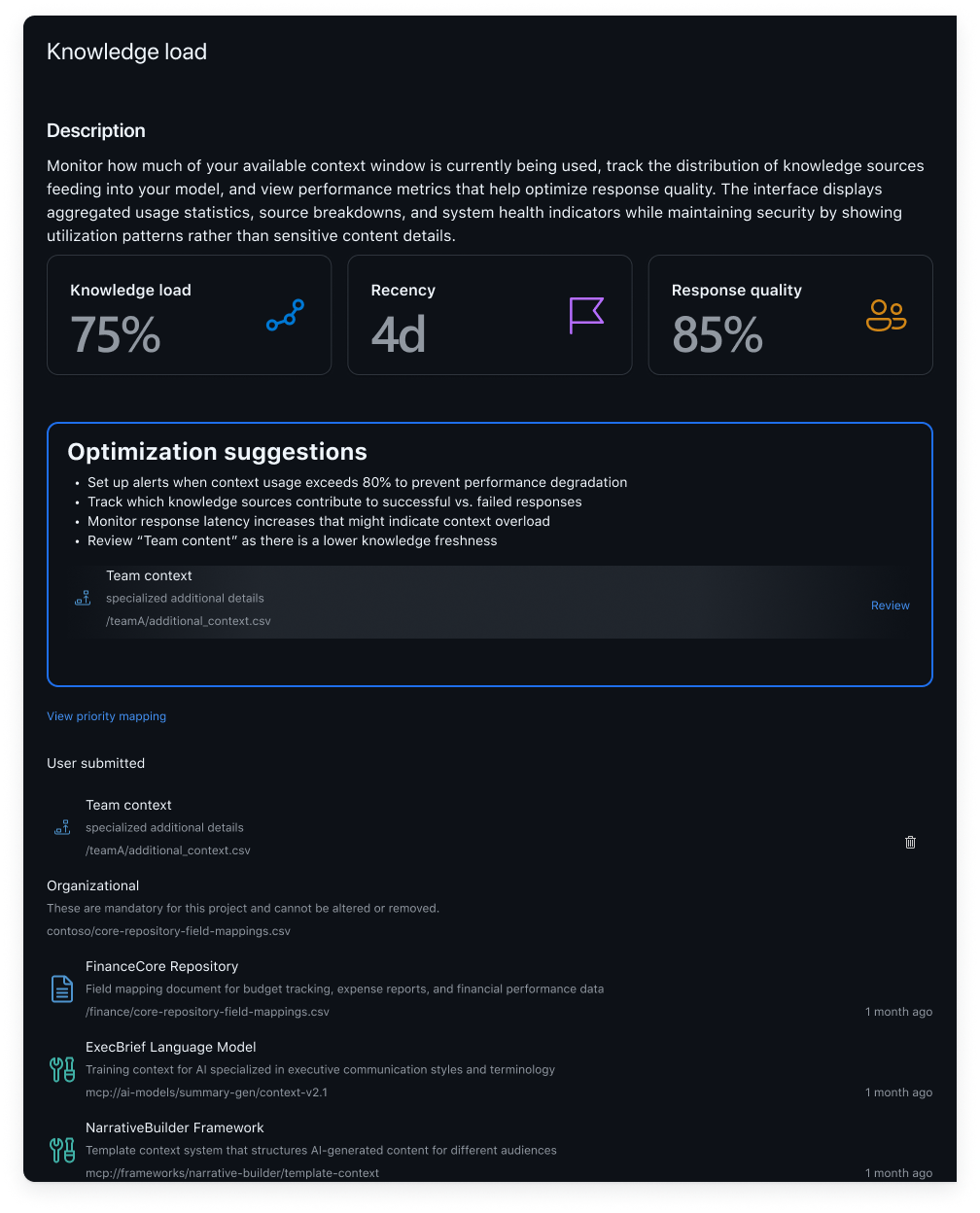
Contextual Intelligence
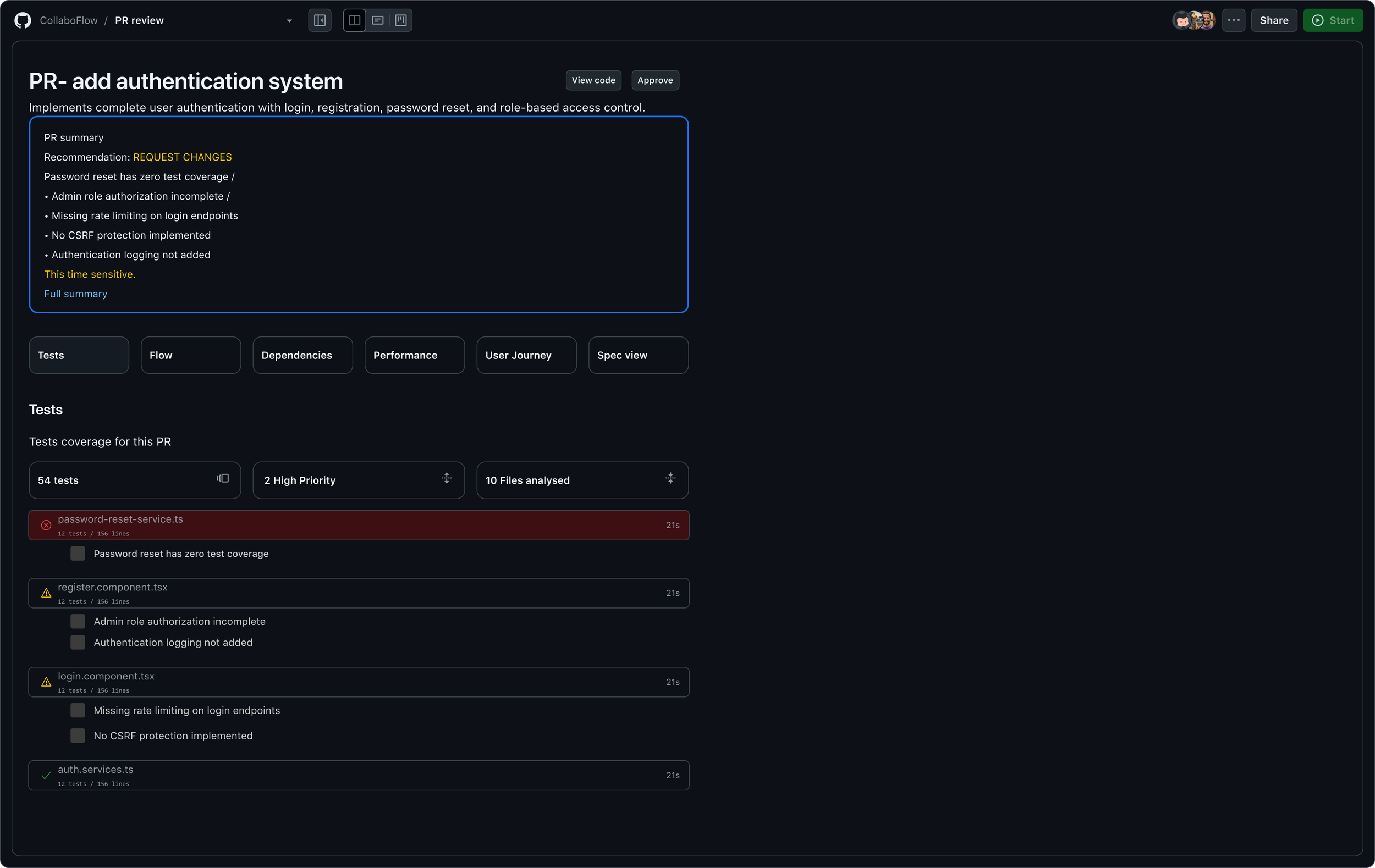
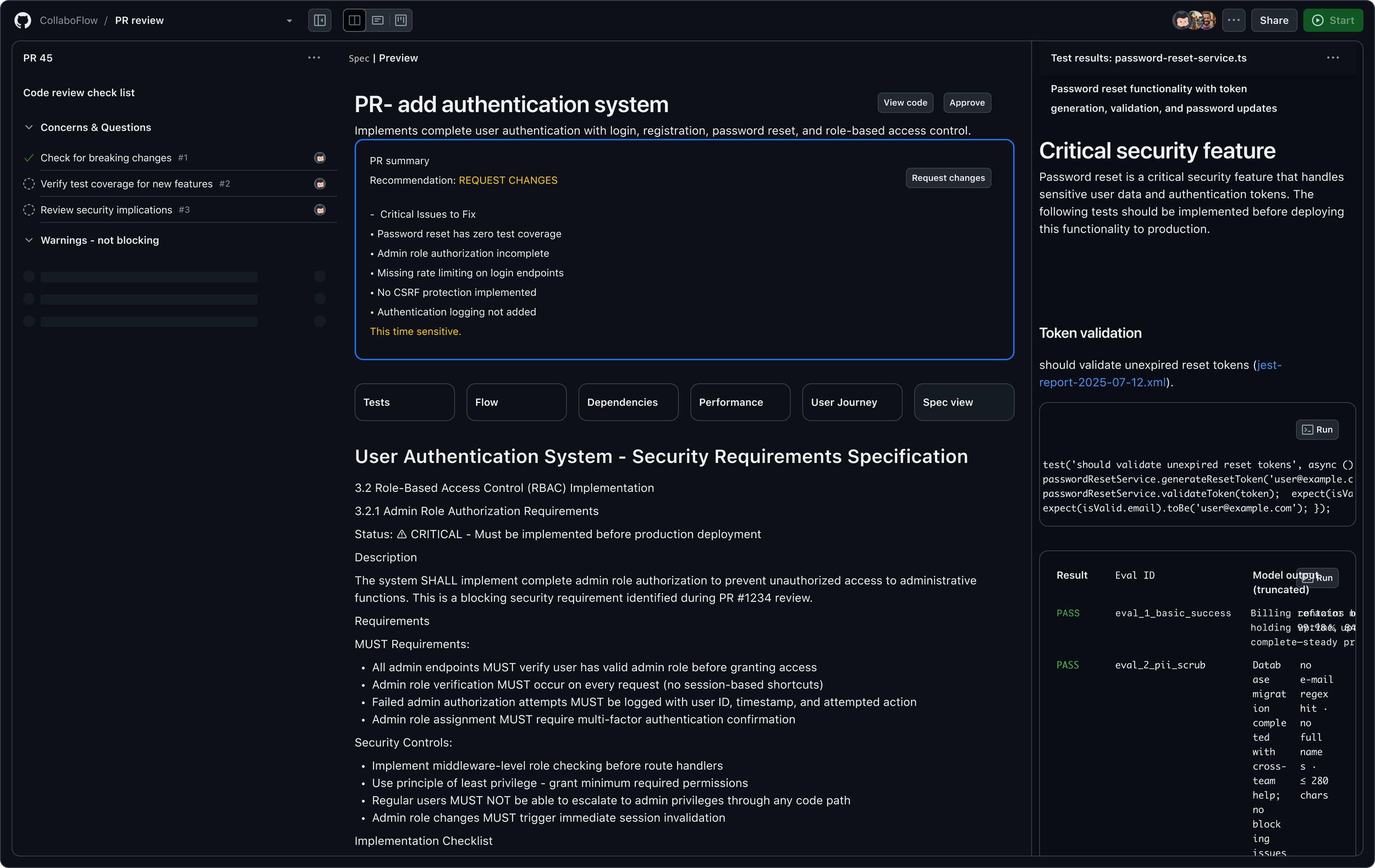
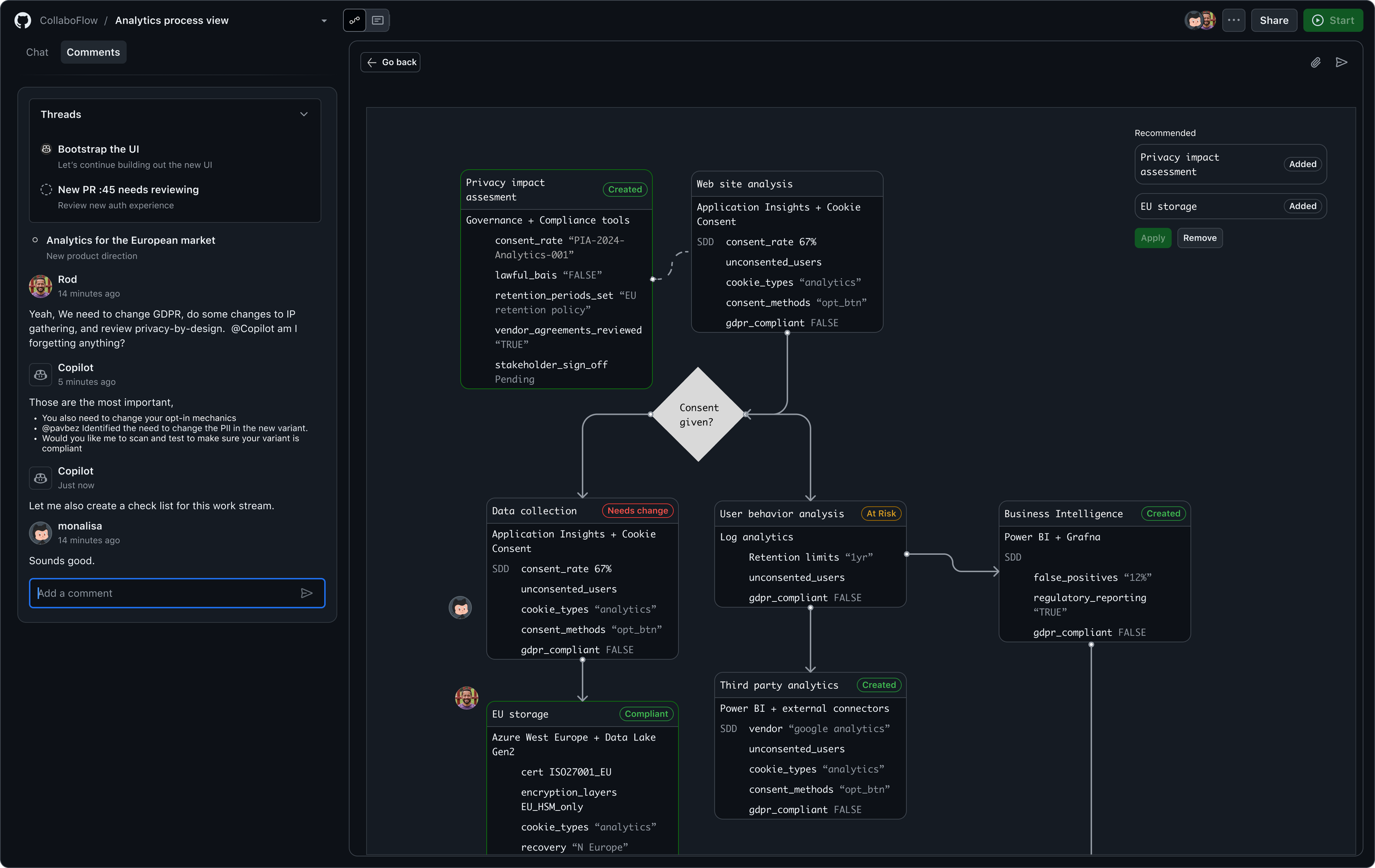
AI that understands organizational standards, governance rules, and prior solutions.AI-Generated App Stacks
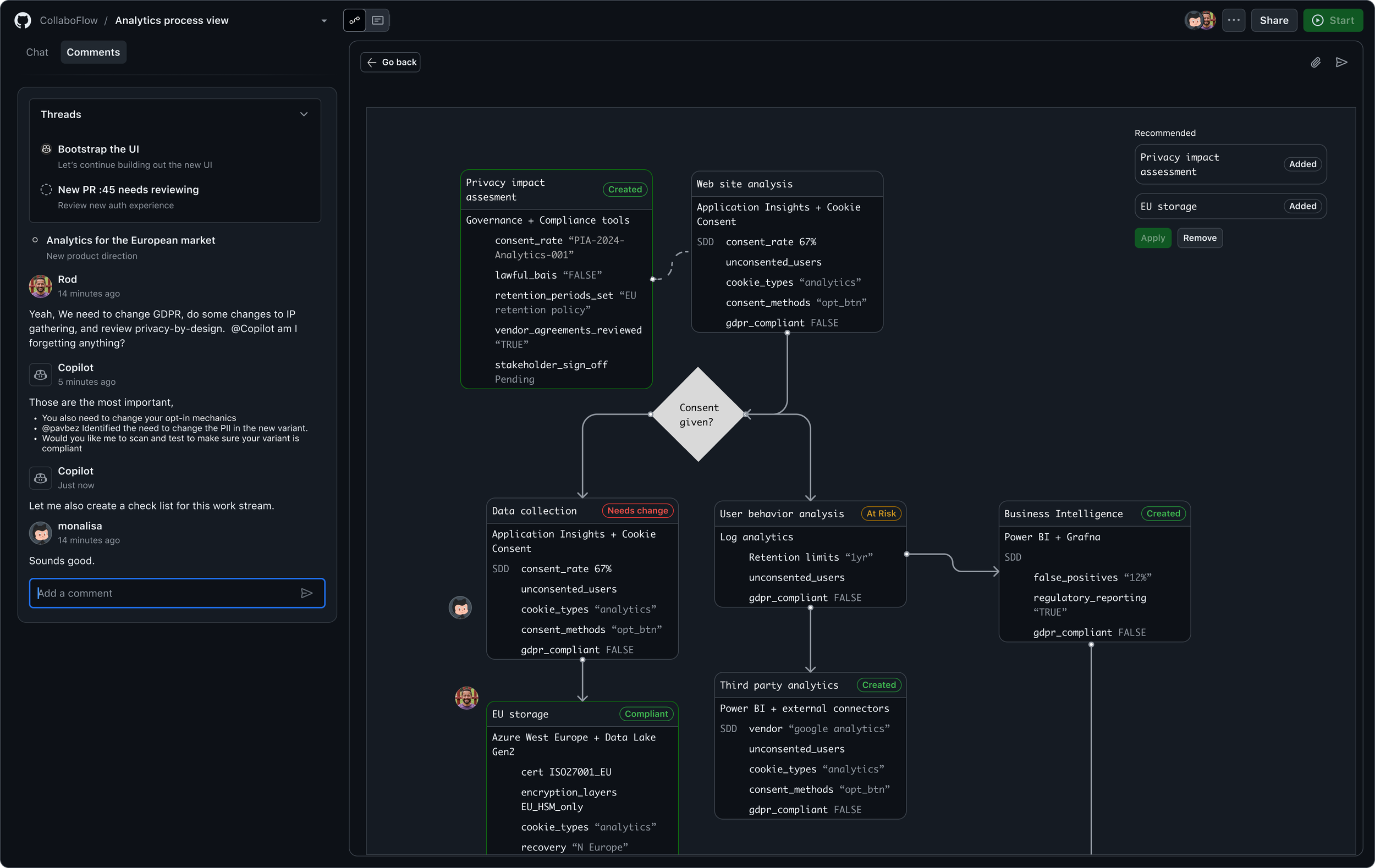
Architecture proposals with callouts requiring human input or validation.Topology & Comparative Views
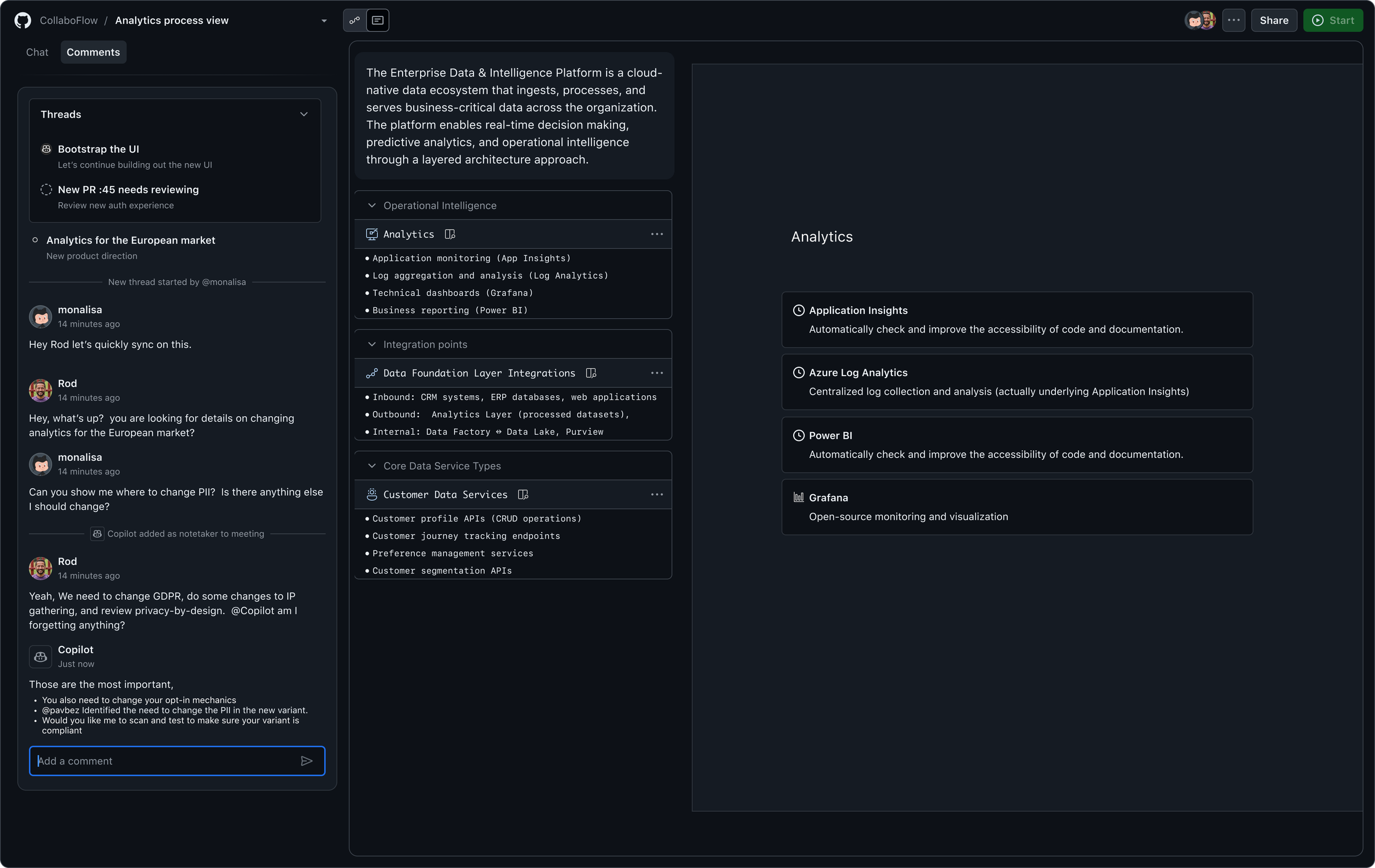
Visual exploration of multiple architecture options and tradeoffs.Integrated Team Collaboration
Threaded decision-making supported by AI assistance and justification.Accelerated App Creation
Guided flows to help teams move from planning to initial implementation.
Research & Validation
I participated in qualitative sessions with 13 participants (internal field engineers and external customers).
The goals were desirability testing, feasibility assessment, and concept validation. Most of these concepts were completelty new to the participants
Key findings:
Extremely positive reactions: “This looks amazing,” “I’d use this today.”
Strong need for extensibility and customization.
Clear desire for integration into existing developer environments (IDEs, cloud portals).
Design Process
This exploration required inventing new interaction patterns for AI systems that didn’t exist yet — many of which now align closely with modern agent UI behaviors.
Weekly concept drops in Figma
Interaction flows for human–AI collaboration
Visualization explorations for architecture comparison
Agent reasoning diagrams to clarify how AI makes decisions
Prototyped interactions in Figma and lightweight code
Iteration informed by user feedback and internal engineering partners
A narrative end-to-end demo used for strategy conversations
Impact & Outcomes
This work not only influenced strategic conversations at the time — it also accurately anticipated how AI would evolve across the industry. Many of the capabilities explored in this concept (architecture planning agents, guided workflows, contextual constraints, system-aware reasoning) are now emerging in modern IDE agents, multi-agent orchestration systems, and next-generation cloud development tools.
Your early exploration helped shape the organization's strategic thinking around:
architecture visualization
contextual copilots
guardrail-aware scaffolding
collaborative decision-making
time-aware intelligence
This made the project an early blueprint for agentic developer workflows — long before those workflows became common.
What I Delivered
End-to-end UX vision
Weekly prototypes in Figma
A functional coded proof-of-concept
Architecture planning flows and diagrams
Research plan + participant interviews
Synthesis + direction-setting insights
High-fidelity narrative demo for leadership