AI-Forward Developer Experience Vision
Reimagining how developers interact with complex codebases in an AI-accelerated future
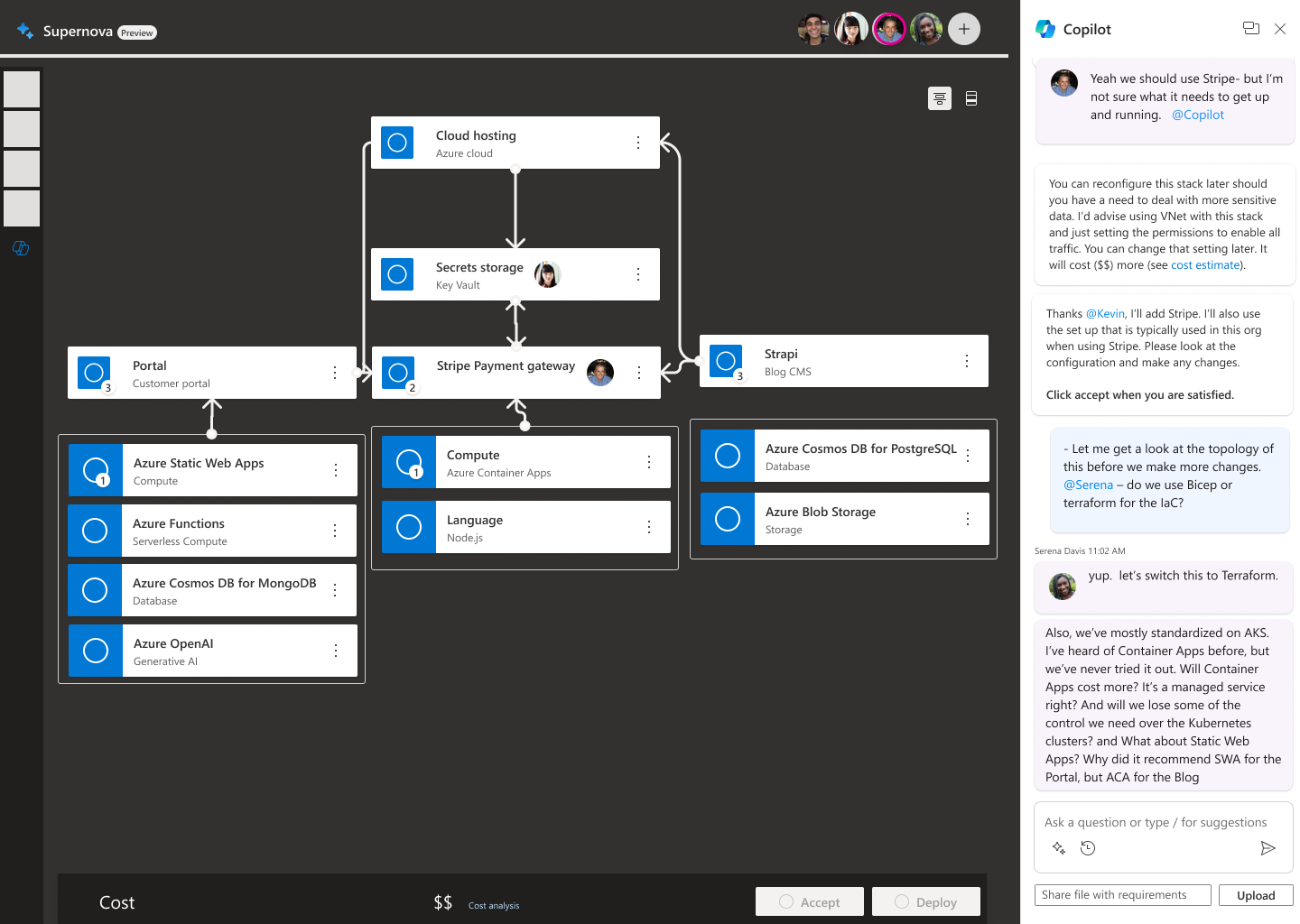
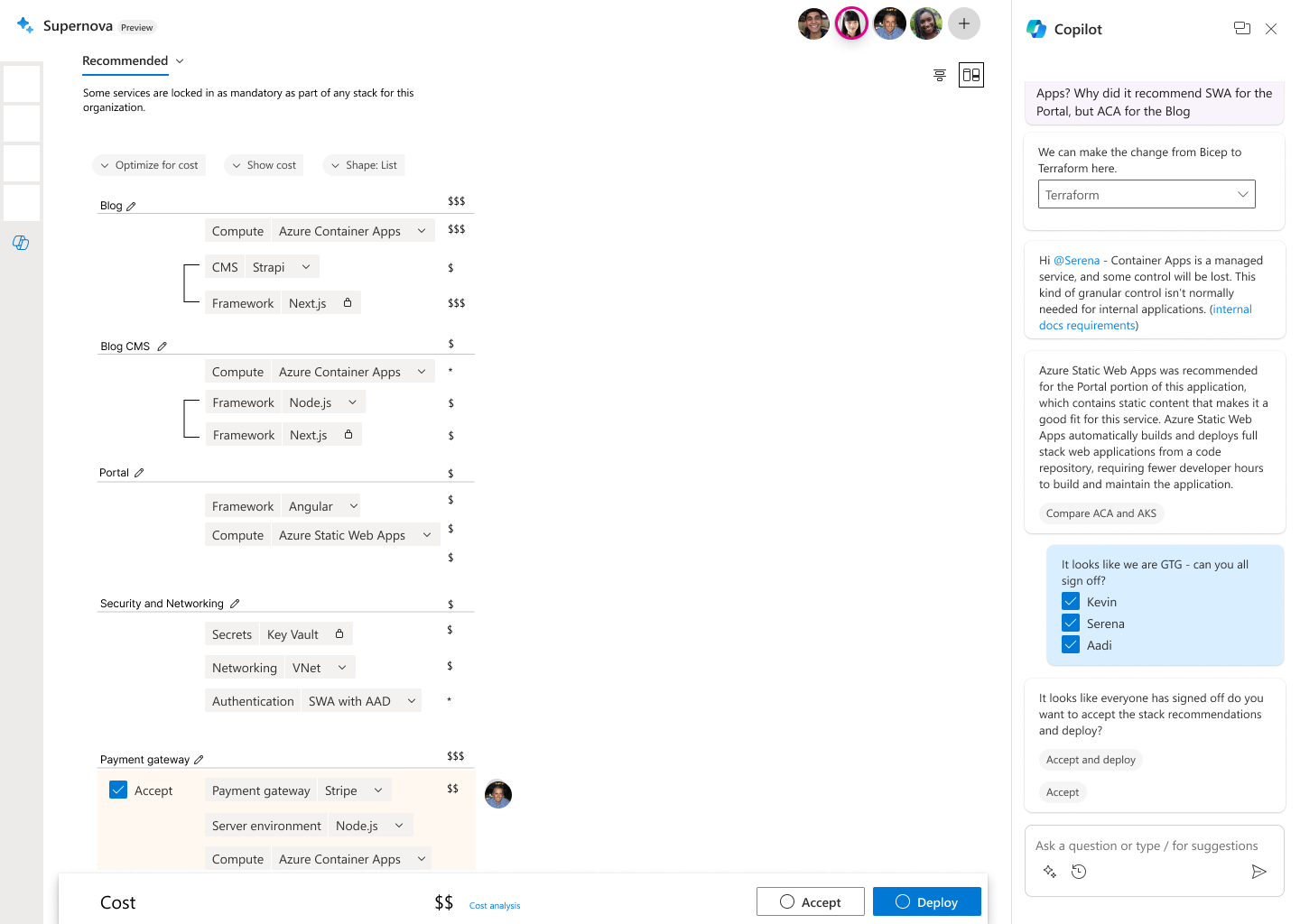
This project explored a future AI-centric developer environment where teams could build, maintain, and reason about software systems without deep familiarity with underlying codebases. The goal was to demonstrate how AI could reduce cognitive overhead, support end-to-end productivity, and enable new forms of human–AI collaboration across the developer lifecycle.
Weekly Figma prototypes and coded demos using VSCode, Figma Make and GitHub Spark were used to communicate the vision to leadership and inform strategic planning.
My Role
I worked alongside another designer to co-lead the design exploration, collaboratively generating ideas, brainstorming interactions, and integrating our respective end-to-end flows into a cohesive AI-driven developer experience.
Our responsibilities included:
Defining the joint vision for agentic developer workflows
Rapid prototyping in Figma and code
Designing flexible abstraction layers and human–AI interaction patterns
Conducting iterative concept validation with stakeholders
Synthesizing insights into strategic recommendations for leadership
The Challenge
Developers today face fragmented workflows when interacting with complex codebases:
Understanding unfamiliar code requires deep knowledge or extensive ramp-up time
Code review and debugging can be repetitive, error-prone, and time-consuming
Collaboration between humans and AI tools was largely unexplored
The challenge: How might AI agents work alongside humans to streamline code understanding, development, and collaboration without overwhelming users?
Vision / Concept Summary
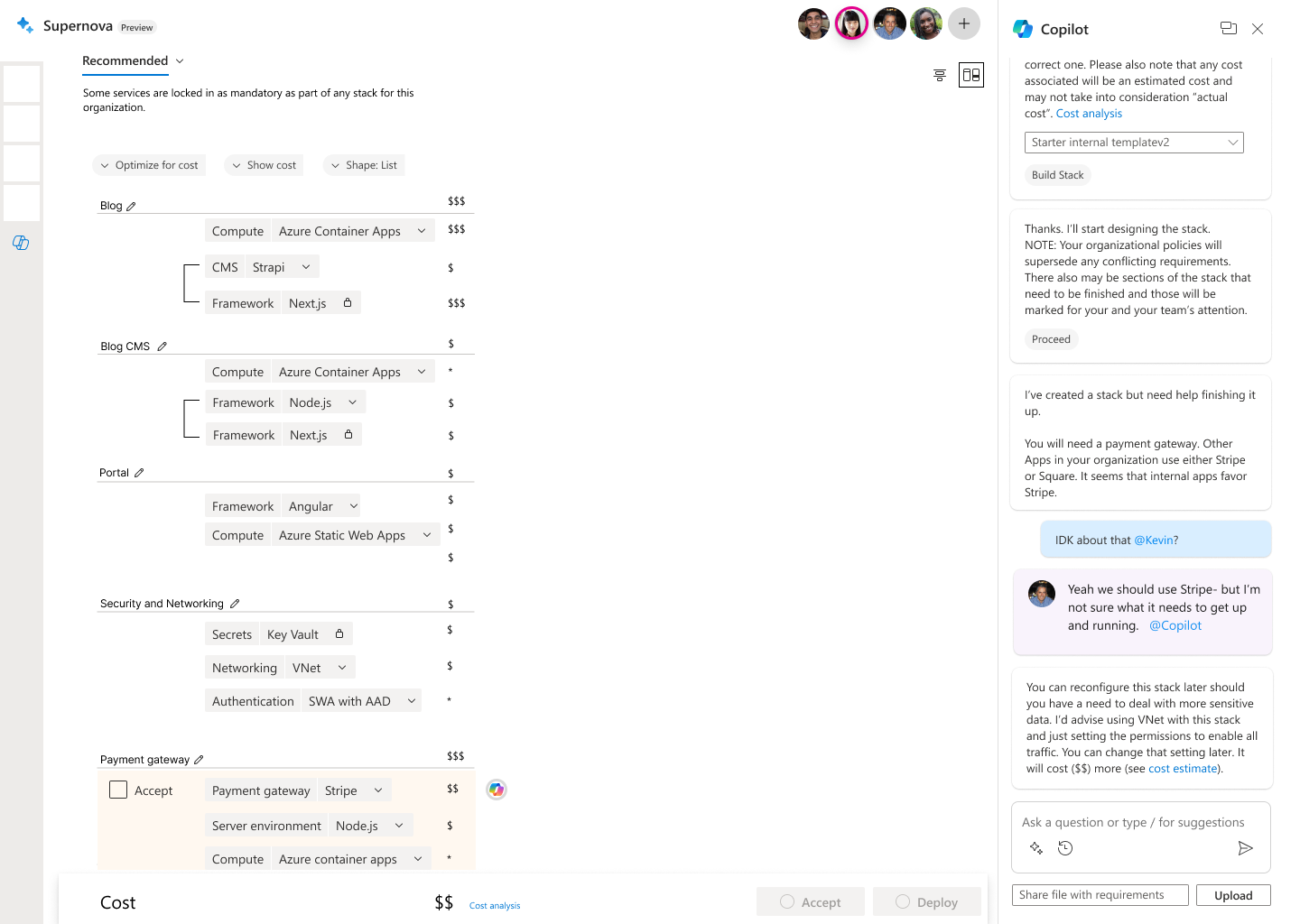
The concept proposed an AI-accelerated developer workspace with:
Agentic workflows capable of planning, modifying, and validating changes autonomously
Flexible abstraction layers that reveal or hide technical complexity based on user intent
Conversational and visual interfaces for debugging, insights, and guidance
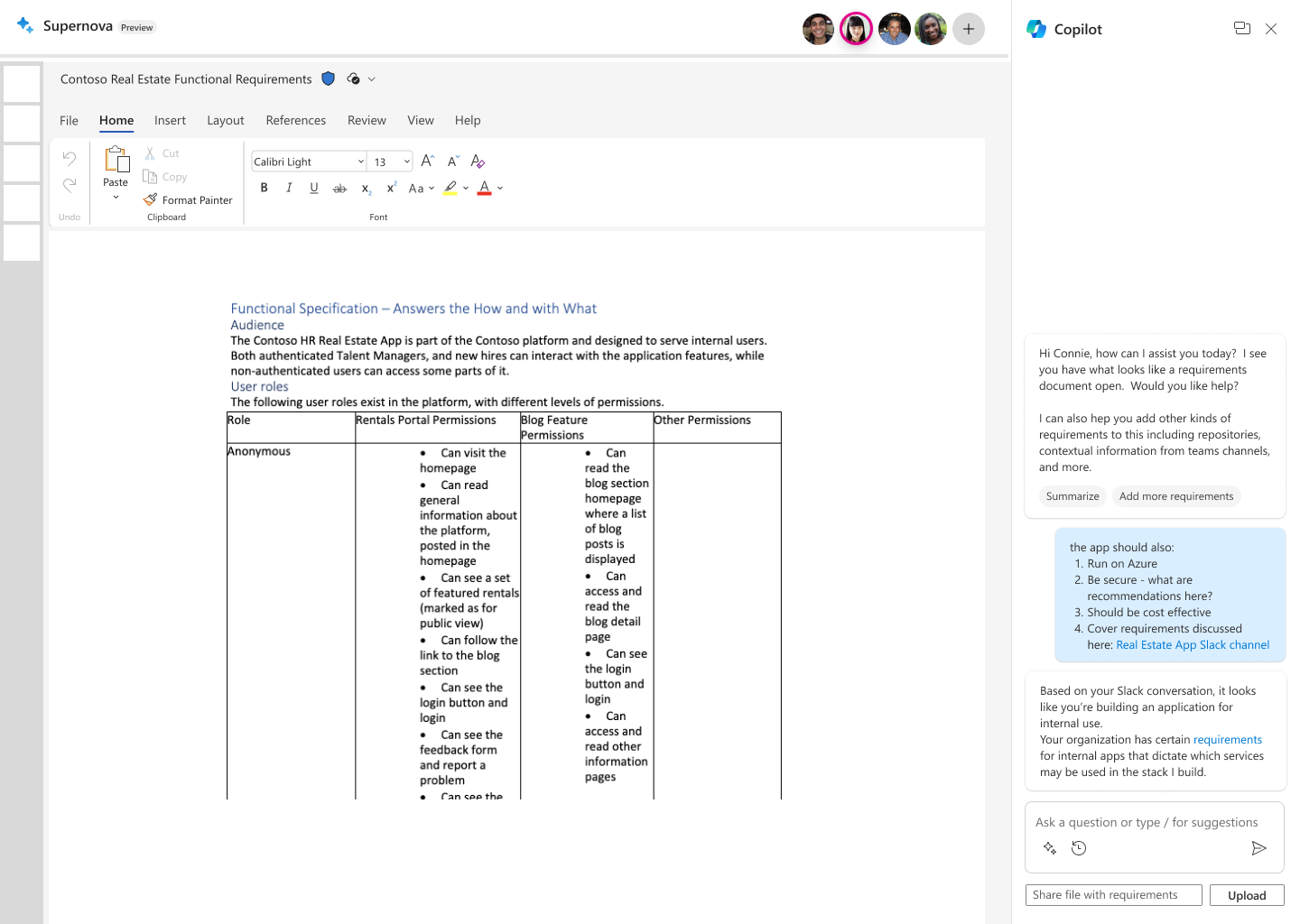
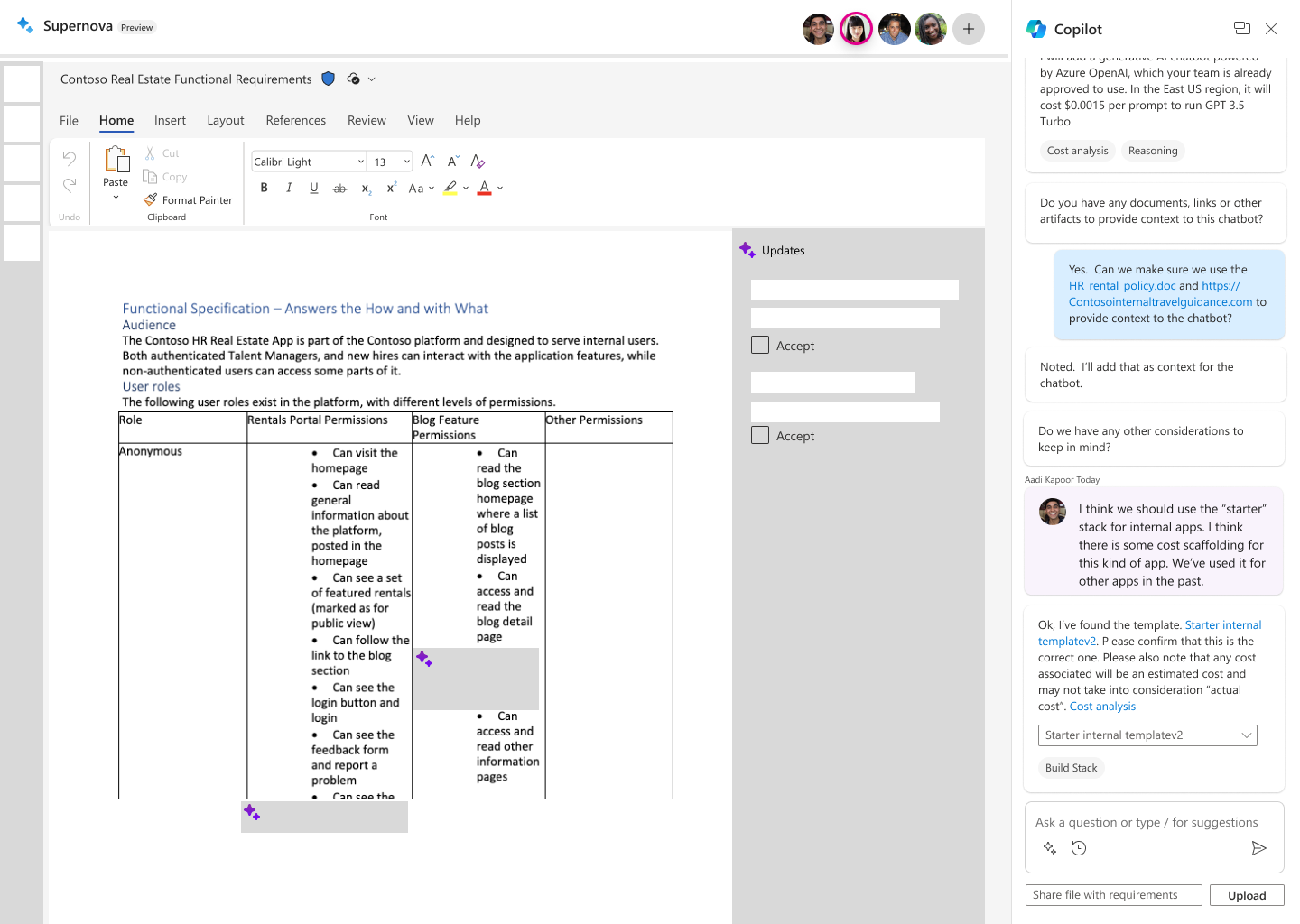
Integrated human–AI collaboration, blending AI reasoning with existing developer tools and chat systems
This vision allowed developers to work in parallel with AI, freeing cognitive bandwidth and accelerating both planning and execution.
Key Capabilities Explored
AI-Driven Navigation — Explore and understand unfamiliar code efficiently
Automated, Explainable Pull-Request Reviews — AI surfaces issues with natural-language reasoning
Multi-Level Abstraction — Toggle between high-level planning and detailed code insights
Human–AI Collaboration Models — Integrate AI suggestions with team discussions and workflows
Rapid Concept Validation — Weekly demos showcased end-to-end workflows to leadership
Research & Validation
Validation occurred through rapid concept testing and stakeholder feedback during weekly design sprints:
Demonstrated end-to-end developer flows using Figma prototypes and lightweight code
Explored multiple developer loops and abstraction levels
Gathered feedback on usability, desirability, and strategic impact
Key insights included:
Positive reactions to agentic AI capabilities and multi-step workflows
Importance of opt-in AI collaboration for intentional co-creation
Need for modular planning with milestones, forking, and layered abstraction
Design Process
Major workstreams and exploration themes included:
Rapid Prototyping & Concept Validation
Weekly Figma and coded demos to test ideas quickly and iteratively.Exploration of Developer Loops
Converged inner and outer loops to show AI assisting both personal coding and team-wide planning.Collaborative Flow Integration
Coordinated with the other designer to align end-to-end flows, merge ideas, and brainstorm new approaches to agentic interactions.Innovation Through Experimentation
Developed unconventional “vibe-coded” apps to explore creative approaches beyond structured workflows.App Modernization Lens
Framed cloud migration as an opportunity for modernization and strategic impact.
Impact & Outcomes
This work positioned AI-assisted workflows as a strategic direction for enterprise developer tooling:
Informed leadership on the potential for agentic workflows in future developer experiences
Laid the groundwork for multi-agent collaboration and parallel workstreams
Influenced planning for AI-integrated IDEs and cloud-based development tools
Addressed competitive pressures by envisioning next-generation AI-enabled coding and planning experiences
The prototypes and demos were used to align stakeholders on strategic priorities and future investment areas.
What We Delivered
End-to-end UX vision for AI-accelerated developer workflows
Weekly Figma prototypes and coded concept demos
Multi-level abstraction flows and interaction models
Human–AI collaboration patterns integrated with digital chat systems
Iteration logs, research synthesis, and strategic insights for leadership